
Can Tubeless Car Tyres Burst While Driving? What You Need to Know
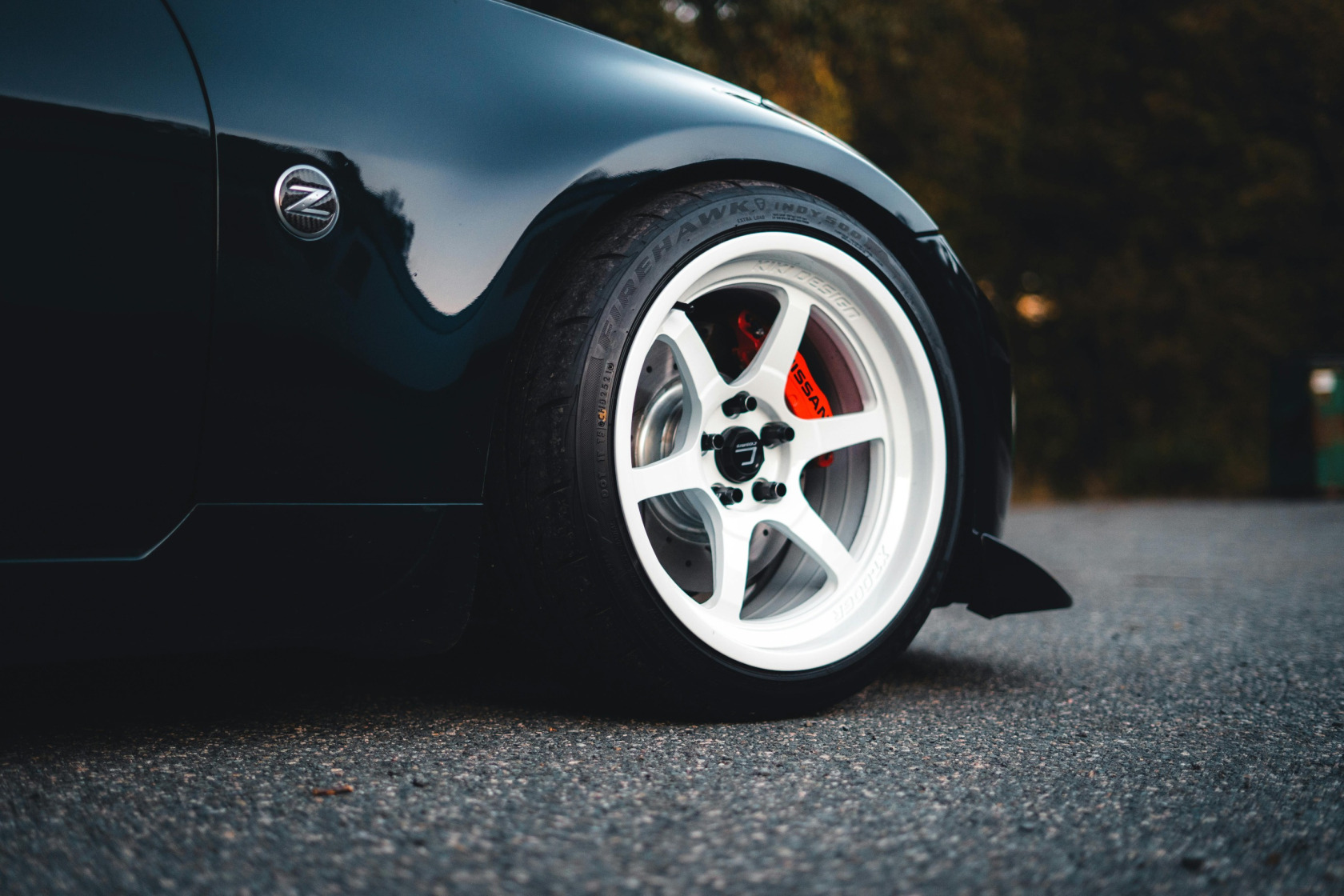
Many drivers are under the wrong impression that tubeless tyres cannot suffer a blowout. While tubeless tyres are indeed much safer than traditional tubed tyres, they are still capable of catastrophic failure under certain circumstances. In your consideration of Buy Tyres Leicester or any other brand, it becomes necessary to understand the when and why of tubeless tyre blowouts for your safety. But thankfully, almost all blowouts can be prevented if you maintain your tyres properly and recognise the warning signs that serve as indicators of impending failure.
How Do Tubeless Tyres Work?
There are no inner tubes with tubeless tyres, unlike old-style grips. Instead, there is a particular rubber lining on the inside serving the purpose of a built-in tube. This lining is bonded to the inside of the tyre and creates an airtight seal with the rim of the wheel.
If you have a tiny puncture from a nail or screw, usually a tubeless tyre loses air very slowly and never goes flat right away. The foreign body itself plugs the hole partially, and the flexible rubber lining helps to seal around it to a certain extent. This slow deflation somehow gives you time to notice the problem and do something about it.
The design allows tubeless tyres to be so much safer than the age-old tube-type tyres, which would burst in totality the moment they are punctured. Nevertheless, in some cases, tubeless tyres can fail disastrously.
When Can Tubeless Tyres Burst?
Although safer, tubeless tyres do suffer dangerous blow-outs. The most widespread cause is the operation of atypically under-inflated tyres. In the case of insufficient air pressure, a tyre bends too far while driving through the sidewalls.
Such overflexion puts an immense load on the steel cords which reinforce the sidewall. These are wires which are able to endure regular bending, but once they are repeatedly bent beyond their alignment, they begin to break. After enough cords break, the rest of the air pressure may lead to a catastrophic burst.
Under-inflation also makes the tyre run hotter than usual. The fretting causes heat that also makes the rubber and steel cords weaker. This is a vicious cycle in which the damage caused by heat makes the tyre prone to an overflow.
Heat-Related Failures
A major enemy of tyre safety is heat. At high temperatures, the rubber compounds present in the tyres begin melting, and the steel cords lose their strength. There are quite a number of issues that may lead to hazardous tyre heating.
Heat-related tyre failures are caused by overloading your vehicle. Your car tyres must work very hard when you exceed the specifications of weight. This additional work causes generated heat, and if the temperature is too high, the whole structure of the tyre can and will break down without any previous warnings.
There is also the generation of heat due to high speed and friction with the road. When you do use high speeds and heavy loads with under-inflated tyres, then you have an ideal setting where a dangerous blowout can occur.
Recognising Warning Signs
Luckily, the majority of the tyre failures provide you with a sign before becoming hazardous. Visual inspection on a regular basis can make you aware of the problem before it causes blowouts.
Check for bulges or bubbles on the side wall, and there are signs that the inner construction is destroyed. Cuts, cracks, as well as abnormal wear patterns should also be checked out right away. When you get your car with a tendency to pull to one side, or when you have a different sensation during steering, it is essential to check the tyre pressures and check whether you have any visible marks.
Be sensitive to the feeling in your car when behind the wheel. Abnormal vibrations, especially when increasing the speed, might reveal the damage on the inside of the tyres. In case a tyre becomes too hot, you could get a burning odour or an excessive amount of heat around the wheels.
How to Deal with a Blowout?
In case you have been driving when your tyres burst, you should avoid panicking and slamming on the brakes. Clench the steering wheel and attempt to keep on course. Degradably, decelerate, depress the gas pedal, and drive to a stop position.
Quick steering or sudden braking may result in a loss of control, especially when your tyres are weak. As soon as you have safely pulled over, switch on your hazard lights and call for assistance.
Professional Help and Quality tyres
Professional inspection should be done of the system at regular intervals to detect any problems before they become really dangerous. Internal damage may be visible only to a trained technician, and they may recommend the use of a tyre or discard it on the basis of the internal damage.
Investing in quality tyres from reputable suppliers and looking after them properly is the safest way to avoid blowouts. When considering tubeless tyres, they are a much safer option than older designs, but still require respect and care for your safety on the road. For the best advice on tyre safety and professional fitting services, look for specialists offering Summer Tyres Leicester, and you can be sure they will look after your tyre requirements properly and with safety as their main priority.